
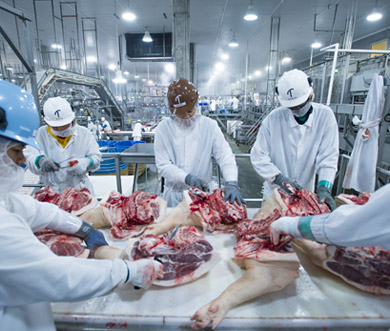
The meat and food processing industry is a cornerstone of global food production, providing essential products to billions of people worldwide. As we step into 2024, the industry faces a dynamic landscape shaped by technological advancements, regulatory changes, sustainability initiatives, and evolving consumer preferences. This blog post delves into key insights that will define the meat and food processing industry in 2024, highlighting trends, challenges, and opportunities.
Introduction
The meat and food processing industry is pivotal to feeding the global population, ensuring food safety, and driving economic growth. In 2024, the industry is navigating a complex environment characterized by innovation, increased regulatory scrutiny, and a heightened focus on sustainability. This post explores the significant trends and developments shaping the sector, providing a comprehensive overview of what to expect in the coming year.
Technological Advancements
Automation and Robotics
One of the most transformative trends in the meat and food processing industry is the integration of automation and robotics. These technologies are revolutionizing operations by enhancing efficiency, reducing labor costs, and improving product consistency. Advanced robotics are now capable of performing intricate tasks such as deboning and cutting with precision, significantly reducing waste and increasing yield.
Moreover, automation helps address labor shortages, a persistent challenge in the industry. With automated systems handling repetitive and hazardous tasks, human workers can focus on more complex and value-added activities. This shift not only boosts productivity but also enhances workplace safety, reducing the risk of injuries.
Artificial Intelligence and Machine Learning
Artificial intelligence (AI) and machine learning (ML) are making significant inroads into the meat and food processing industry. These technologies enable predictive maintenance of equipment, optimizing production schedules, and improving quality control. AI-powered systems can analyze vast amounts of data to identify patterns and predict potential issues before they arise, minimizing downtime and ensuring smooth operations.
Additionally, AI is being used to enhance food safety. Machine learning algorithms can detect contaminants and ensure compliance with stringent food safety standards. This capability is crucial in an industry where maintaining the highest levels of hygiene and safety is paramount.
Sustainability and Environmental Impact
Sustainable Practices
Sustainability has become a central focus for the meat and food processing industry. Companies are increasingly adopting sustainable practices to reduce their environmental footprint and meet the growing demand for eco-friendly products. This includes efforts to reduce water and energy consumption, minimize waste, and improve packaging sustainability.
Many companies are also investing in renewable energy sources to power their operations. Solar panels, wind turbines, and biogas plants are becoming more common in processing facilities, helping to decrease reliance on fossil fuels and lower greenhouse gas emissions.
Alternative Proteins
The rise of alternative proteins is another significant trend in the meat and food processing industry. Plant-based and lab-grown meat products are gaining popularity among consumers seeking sustainable and ethical food options. These alternatives not only reduce the environmental impact of meat production but also cater to the dietary preferences of a growing segment of the population.
In 2024, we can expect continued innovation in this space, with companies developing new products and improving the taste and texture of alternative proteins. This trend is likely to reshape the industry, offering consumers a wider array of choices and contributing to a more sustainable food system.
Regulatory Landscape
Stringent Food Safety Standards
The meat and food processing industry operates under strict regulatory oversight to ensure food safety and quality. In 2024, regulatory agencies are expected to implement even more stringent standards, driven by advances in detection technologies and a heightened focus on public health.
Companies must stay abreast of these regulatory changes and invest in compliance measures to avoid penalties and maintain consumer trust. This includes implementing robust traceability systems, conducting regular audits, and training employees on best practices in food safety.
Labeling and Transparency
Transparency in food labeling is another critical issue in the meat and food processing industry. Consumers are increasingly demanding clear and accurate information about the products they purchase, including ingredient sourcing, nutritional content, and environmental impact.
In response, regulatory bodies are likely to enforce stricter labeling requirements, compelling companies to provide more detailed information on their packaging. This shift towards greater transparency not only helps consumers make informed choices but also fosters trust in the brand.
Consumer Preferences and Market Trends
Health and Wellness
Consumer preferences in the meat and food processing industry are evolving, with a growing emphasis on health and wellness. Consumers are seeking products that align with their health goals, such as lean meats, low-fat options, and products free from artificial additives and preservatives.
To meet this demand, companies are reformulating their products to enhance nutritional profiles and introducing new items that cater to health-conscious consumers. This trend is driving innovation in product development and marketing strategies, as companies strive to position themselves as providers of wholesome and nutritious foods.
Convenience and Ready-to-Eat Products
The demand for convenience is another significant trend shaping the meat and food processing industry. Busy lifestyles and changing consumer habits are driving the popularity of ready-to-eat and easy-to-prepare products. These items offer the convenience of quick meal preparation without compromising on taste or nutritional value.
In 2024, we can expect to see an increase in the variety and availability of convenient food products. Companies are investing in research and development to create meals and snacks that cater to this growing market, focusing on quality, flavor, and convenience.
Conclusion
The meat and food processing industry in 2024 is poised for significant advancements and challenges. Technological innovations such as automation, robotics, and AI are transforming operations, enhancing efficiency, and ensuring food safety. Sustainability remains a top priority, with companies adopting eco-friendly practices and exploring alternative proteins to meet consumer demand.
Regulatory changes are driving stricter standards in food safety and labeling, necessitating continuous compliance efforts. Meanwhile, shifting consumer preferences towards health, wellness, and convenience are shaping product development and marketing strategies.
As the industry navigates this dynamic landscape, companies that embrace these trends and adapt to new challenges will be well-positioned for success. Thor Staffing Solutions, LLC is committed to supporting businesses in the meat and food processing industry, providing expert guidance and innovative solutions to help them thrive in 2024 and beyond.
In conclusion, the meat and food processing industry is at a pivotal point, with numerous opportunities for growth and innovation. By staying informed about key insights and trends, businesses can make strategic decisions that enhance their operations, meet regulatory requirements, and satisfy evolving consumer preferences. The future of the meat and food processing industry is bright, and with the right strategies, companies can achieve sustained success in the years to come.