
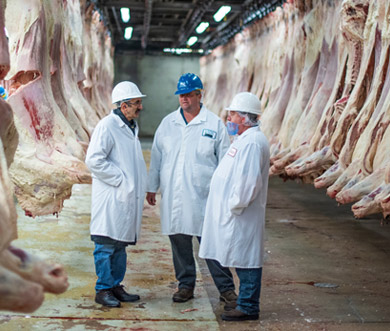
The meat and food processing industry is a vital component of the global food supply chain, providing essential products to consumers worldwide. This industry offers a wide range of career opportunities, from production and quality control to research and development. As the demand for processed meat and food products continues to grow, so does the need for skilled professionals. This guide explores the various careers available in the meat and food processing industry, highlighting the skills required, potential career paths, and the benefits of working in this dynamic field.
Introduction
The meat and food processing industry is one of the largest and most diverse sectors in the global economy. It encompasses everything from the slaughtering of animals and the processing of meat products to the packaging and distribution of ready-to-eat meals. Careers in the meat and food processing industry offer numerous opportunities for growth and development, making it an attractive option for individuals seeking stable and rewarding employment. In this guide, we will delve into the different career paths available within the industry, the qualifications and skills needed, and the potential for advancement.
Overview of the Meat & Food Processing Industry
Industry Scope and Importance
The meat and food processing industry plays a crucial role in ensuring the availability of safe and nutritious food products. It includes various segments such as meatpacking, poultry processing, seafood processing, and the production of processed foods like sausages, canned goods, and frozen meals. The industry is characterized by its reliance on technology, stringent regulatory requirements, and a focus on food safety and quality.
Economic Impact
The economic impact of the meat and food processing industry is significant. It provides employment to millions of people worldwide and contributes to the GDP of many countries. In addition to direct employment, the industry supports a wide range of ancillary sectors, including agriculture, transportation, and retail. As the global population continues to grow, the demand for processed meat and food products is expected to increase, driving further expansion and job creation in the industry.
Key Career Paths in the Meat & Food Processing Industry
Production and Operations
Production and operations roles are at the heart of the meat and food processing industry. These positions involve the day-to-day activities of processing, packaging, and distributing meat and food products. Key roles in this category include:
- Meat Cutter/Butcher: Meat cutters and butchers are responsible for breaking down carcasses into cuts of meat for sale or further processing. This role requires precision and knowledge of different meat cuts and processing techniques.
- Machine Operator: Machine operators oversee the operation of machinery used in the processing and packaging of meat and food products. They ensure that equipment runs smoothly and efficiently, performing routine maintenance and troubleshooting as needed.
- Production Supervisor: Production supervisors manage teams of workers in processing facilities, ensuring that production targets are met, and quality standards are maintained. They coordinate activities, monitor performance, and implement safety protocols.
Quality Control and Food Safety
Ensuring the safety and quality of meat and food products is paramount in the industry. Careers in quality control and food safety focus on maintaining high standards and compliance with regulations. Key roles in this category include:
- Quality Control Technician: Quality control technicians inspect products at various stages of production to ensure they meet quality and safety standards. They conduct tests, record data, and report any deviations from specifications.
- Food Safety Specialist: Food safety specialists develop and implement food safety programs, conduct audits, and ensure compliance with regulatory requirements. They work to prevent contamination and ensure that products are safe for consumption.
- Microbiologist: Microbiologists in the meat and food processing industry study microorganisms that can affect food safety and quality. They conduct research, analyze samples, and develop methods to control microbial contamination.
Research and Development
Innovation is key to staying competitive in the meat and food processing industry. Research and development (R&D) professionals work on creating new products, improving existing ones, and developing more efficient processing methods. Key roles in this category include:
- Food Scientist: Food scientists research and develop new food products and processing techniques. They work on improving the taste, texture, and nutritional value of products, as well as developing new packaging solutions.
- Product Development Specialist: Product development specialists focus on bringing new products to market. They conduct market research, develop prototypes, and work closely with production teams to ensure successful product launches.
- Process Engineer: Process engineers design and optimize production processes to improve efficiency and reduce costs. They work on everything from equipment design to process automation and quality control.
Management and Administration
Management and administrative roles are essential for the smooth operation of meat and food processing companies. These positions involve overseeing various aspects of the business, from human resources to supply chain management. Key roles in this category include:
- Plant Manager: Plant managers are responsible for the overall operation of processing facilities. They oversee production, ensure compliance with regulations, and manage budgets and resources.
- Supply Chain Manager: Supply chain managers coordinate the sourcing, production, and distribution of meat and food products. They work to optimize supply chain efficiency, reduce costs, and ensure timely delivery of products.
- Human Resources Manager: Human resources managers handle recruitment, training, and employee relations. They ensure that the workforce is skilled, motivated, and compliant with labor laws and company policies.
Skills and Qualifications
Education and Training
The educational requirements for careers in the meat and food processing industry vary depending on the role. Entry-level positions in production and operations may require a high school diploma or equivalent, while more specialized roles in quality control, R&D, and management typically require a bachelor’s degree or higher in fields such as food science, microbiology, engineering, or business administration.
In addition to formal education, many positions require specialized training or certification. For example, quality control technicians and food safety specialists often need training in Hazard Analysis and Critical Control Points (HACCP) and other food safety protocols. Continuing education and professional development are also important for staying current with industry trends and advancements.
Essential Skills
The skills needed for success in the meat and food processing industry vary by role but generally include:
- Technical Skills: Knowledge of processing techniques, machinery operation, and quality control methods is crucial for many positions. Technical skills are often developed through hands-on experience and specialized training.
- Attention to Detail: Ensuring food safety and quality requires meticulous attention to detail. Workers must be able to identify and address potential issues quickly and accurately.
- Problem-Solving Skills: The ability to troubleshoot and solve problems is essential, especially in roles involving machinery operation, quality control, and process engineering.
- Communication Skills: Effective communication is important for working in teams, coordinating activities, and reporting findings. Strong communication skills are particularly valuable in supervisory and management roles.
- Analytical Skills: Analytical skills are critical for roles in R&D, quality control, and process optimization. Professionals in these areas must be able to analyze data, identify trends, and develop solutions to improve products and processes.
Benefits of Working in the Meat & Food Processing Industry
Job Stability and Growth Opportunities
The meat and food processing industry offers stable employment with opportunities for growth and advancement. As the demand for processed food products continues to rise, so does the need for skilled workers. Many companies offer career development programs, training opportunities, and pathways for advancement, allowing employees to build long-term careers within the industry.
Competitive Salaries and Benefits
Salaries in the meat and food processing industry are competitive, with many positions offering attractive compensation packages that include benefits such as health insurance, retirement plans, and paid time off. Specialized roles and management positions often come with higher salaries and additional perks, making the industry an appealing option for those seeking financial stability and career growth.
Contribution to Food Security
Working in the meat and food processing industry provides the satisfaction of contributing to global food security. Professionals in this field play a vital role in ensuring that safe, nutritious, and affordable food products are available to consumers. This sense of purpose and contribution to society can be a significant motivator for individuals pursuing careers in the industry.
Conclusion
Careers in the meat and food processing industry offer a diverse range of opportunities for individuals with various skills and interests. Whether you are interested in production, quality control, research and development, or management, the industry provides stable employment, competitive salaries, and the chance to make a meaningful impact on global food security.
As the industry continues to evolve and expand, the demand for skilled professionals will only increase, making now an excellent time to explore career opportunities in the meat and food processing industry. By understanding the different career paths available, the skills and qualifications required, and the benefits of working in this field, you can make informed decisions about your future career and find a rewarding role that aligns with your interests and goals.
In conclusion, the meat and food processing industry is a dynamic and essential sector with a wide range of career opportunities. By pursuing a career in this industry, you can enjoy job stability, competitive compensation, and the satisfaction of contributing to the production of safe and nutritious food products. Whether you are just starting your career or looking to advance in your current role, the meat and food processing industry offers numerous paths for growth and success.